

In Dallas, seasonal allergies often lead to prolonged nasal congestion, pressure, and breathing difficulties. This is why interest in rhinoplasty tends to increase during allergy season, when concerns about nasal airflow, structure, and function are at the forefront.
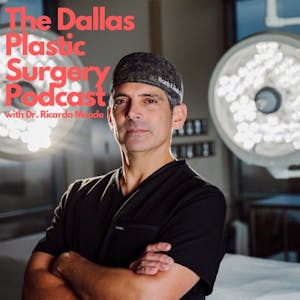
Dr. Ricardo A. Meade is a board-certified plastic surgeon with over 17 years of experience in the field of plastic surgery. He has advanced fellowship training in aesthetic surgery and has been recognized as a Castle Connolly Top Doctor for ten consecutive years. His expertise encompasses both nasal aesthetics and airway function, supported by published research and his ongoing teaching roles at UT Southwestern and Baylor. This unique combination positions him as a trusted authority on the complex relationship between nasal structure, breathing, and overall quality of life.
In this blog, we will discuss the basics of allergies in Dallas, their connection to rhinoplasty, and how we can help you determine whether this procedure is right for you.
Dallas Allergy Season Statistics
During peak allergy seasons, airborne allergens can exacerbate nasal symptoms. Here are some factors contributing to this seasonal effect in Dallas:
- Extended Pollen Season: In Dallas, pollen activity is not confined to a single season; it occurs throughout much of the year. Tree pollen is prevalent in late winter and spring, grass pollen in late spring and summer, and ragweed pollen in late summer to fall (IQAir).
- Tree Pollen Peaks: Certain tree pollens common in North Texas, such as those from oak, cedar, and pecan trees, can trigger significant allergic reactions during both spring and winter months.
- High Pollen Burden: Reports have shown that the Dallas/Fort Worth area ranks among the highest for pollen exposure severity, meaning that residents often face a larger number of high and very high pollen days compared to many other metropolitan areas in the U.S.
- Climate-Driven Growing Season: Warmer temperatures and longer growing seasons in Texas lead to prolonged pollen release, extending the periods during which nasal symptoms are most problematic.
During this time, patients may consider rhinoplasty as they:
- Become more aware of chronic nasal obstruction
- Notice asymmetries or collapse when breathing deeply
- Experience worsening sleep quality or exercise intolerance
- Look for long-term solutions instead of relying on temporary medications
How Surgery Could Help
Rhinoplasty does not treat allergies; allergies are an immune response, while rhinoplasty addresses the nose's anatomy.
However, current research demonstrates that correcting structural obstructions, such as septal deviation or internal nasal valve collapse, can significantly improve airflow and patient-reported breathing outcomes, even in individuals with allergic rhinitis.
When nasal anatomy is optimized, patients often experience:
- Less severe congestion during allergy flares
- Improved airflow despite mucosal swelling
- Better tolerance of seasonal symptoms
This distinction is why a careful anatomical evaluation is essential before considering surgery.
Is Allergy Season a Safe Time for Rhinoplasty?
From a medical standpoint, rhinoplasty can be safely performed year-round. What matters most is:
- Stable overall health
- Absence of active infection
- Proper perioperative planning
At Meade Aesthetic Surgery, we proactively manage your allergy symptoms before and after surgery to minimize inflammation and support optimal healing.
What to Know Before Surgery
Patients considering rhinoplasty during allergy season should keep the following points in mind:
- The goal is structural improvement: Rhinoplasty addresses anatomical factors, such as septal deviation or nasal valve narrowing—that can worsen breathing during allergy flares.
- Every surgical plan is individualized: The approach is tailored to your anatomy, functional needs, and aesthetic goals.
- Function and appearance can be treated together: Many patients benefit from improving nasal airflow while achieving a more balanced, natural look.
- Recovery is thoughtfully managed: Postoperative care is planned to help minimize inflammation and support healing during peak allergy months.
- Expertise directly impacts results: Since rhinoplasty is a highly complex procedure, long-term outcomes depend on the surgeon's experience, judgment, and precision.
Why Expertise Matters in Functional and Aesthetic Rhinoplasty
Rhinoplasty is widely regarded as one of the most technically demanding procedures in plastic surgery. Dr. Meade’s published work on nasal support techniques and his role in training future surgeons reflect a depth of expertise that goes beyond routine cosmetic correction.
His approach emphasizes:
- Structural integrity
- Long-term stability
- Natural, balanced results
- Breathing that functions as well as it looks
Find Out if Rhinoplasty is the Long-Term Answer to Your Chronic Nasal Obstruction
For many patients in Dallas, allergy season highlights long-standing nasal issues. When breathing becomes difficult, sleep is disrupted, or nasal asymmetries become more noticeable, it may indicate an underlying structural problem rather than just a seasonal inconvenience. In such cases, rhinoplasty may offer a thoughtful and lasting solution.
Successful rhinoplasty requires a deep understanding of anatomy, sound surgical judgment, and experience in refining the nose without compromising its structure or airflow. Dr. Ricardo A. Meade’s board certification, fellowship training, published research, and leadership in surgical education reflect such expertise.
If seasonal allergies have brought your ongoing breathing difficulties or nasal concerns to light, a professional evaluation can determine whether structural correction may be beneficial. Contact Meade Aesthetic Surgery today to book your consultation.