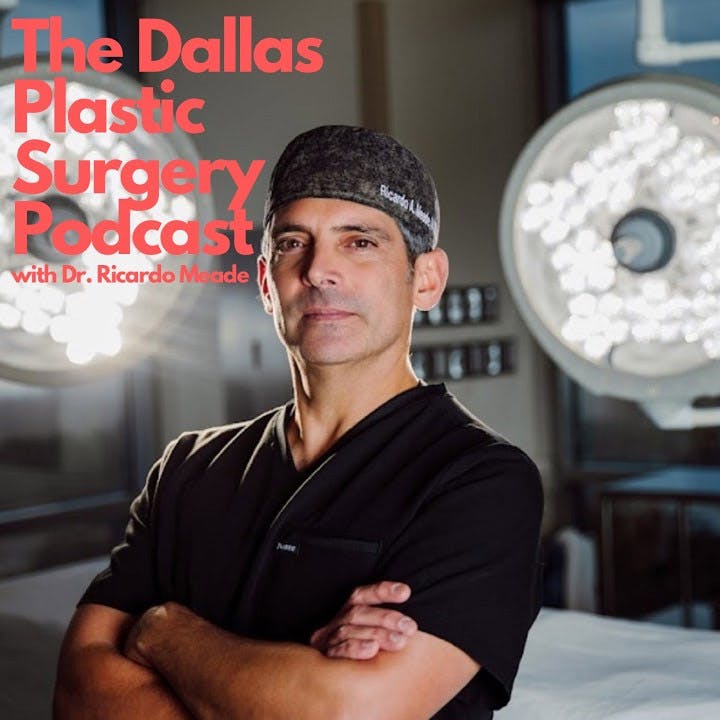



Fillers address volume. In the 40s, the problem often changes. Collagen slows, ligaments loosen, and the lower face loses structural support in ways that adding volume alone will not correct. The jawline softens, jowls begin to emerge, and patients find themselves cycling through appointments with results that hold a little less each time. Dr. Ricardo A. Meade, MD, board-certified plastic surgeon and founder of Meade Aesthetic Surgery, has spent more than 20 years helping patients navigate this shift. The composite mini facelift offers a different kind of solution, one that repositions what has drifted and holds for years.
Read on to see what the procedure involves and what recovery looks like.
When Fillers Stop Being Enough
According to the American Academy of Dermatology, hyaluronic acid fillers, among the most widely used options, typically last between four and twelve months. Early on, that maintenance cycle works. The 40s often shift the problem from volume to structure.
Collagen production slows, supporting ligaments loosen, and the lower face loses its lift in ways adding volume alone will not reverse. Jowls begin to form, the jawline softens, and the silhouette shifts downward. According to the American Society of Plastic Surgeons' 2024 Procedural Statistics Report, facelift procedures rose in 2024 as more Gen X and Millennial patients began seeking surgical options earlier. The signs that typically move someone from the filler chair to a surgical consultation include:
- Sagging skin along the jawline that volume treatments cannot lift
- Mild laxity along the lower face and neck
- A persistent heaviness that returns between injectable appointments
What the Composite Mini Facelift Targets
Dr. Meade's mini facelift is rooted in composite facelift technique and focuses on the lower third of the face and neck. Small incisions placed in front of the ears allow him to lift and reposition skin and underlying tissue, producing a correction tailored to the face's own anatomy. Most procedures take one to two hours.
Results can last approximately a decade, often longer. For patients who have spent years hoping the next appointment will hold a little longer, results measured in years tend to be the answer.
What Recovery Involves
Mild swelling and bruising along the lower face and neck are expected and typically resolve within two weeks. Most patients return to desk work and social activity within three weeks, with strenuous exercise paused for around two months to allow the tissues to settle fully. Dr. Meade schedules follow-up visits throughout the healing process and provides aftercare guidance tailored to each patient.
When Results Need to Last
Dr. Meade is board-certified and fellowship-trained at UT Southwestern and the Dallas Plastic Surgery Institute, with a faculty position at the UT Southwestern Plastic Surgery Residency Program and more than 20 years specializing in facial plastic surgery. Named a 2024 Best Doctor by D Magazine and a Castle Connolly Top Doctor for ten consecutive years, he builds every plan around the individual patient's anatomy and long-term goals. Schedule a consultation at Meade Aesthetic Surgery today.